
SAFETY | OPERATIONAL RELIABILITY | CONTINUOUS IMPROVEMENT
Practical solutions for safer, reliable operations
We help you address the operating problems behind serious risks, inconsistent quality, breakdowns, delivery delays and avoidable waste. Our work combines consulting, training, coaching and implementation support, built around the systems and practices you already use.
Safety
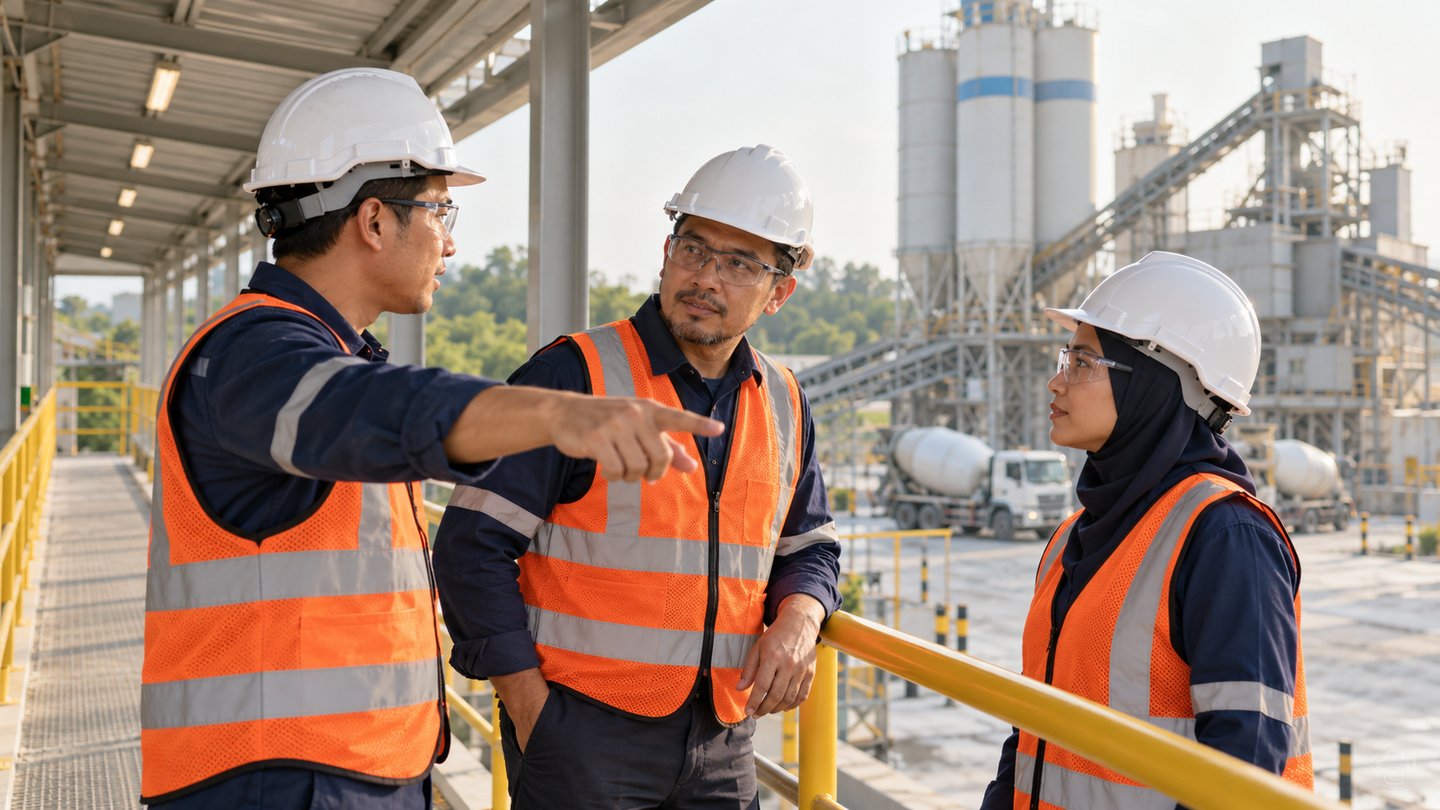
Protect people through effective risk controls, practical leadership and follow-through where work happens.
- Critical risk management: identify serious exposures, define the controls that matter and verify their effectiveness. Applications include mixer truck and mobile equipment interaction, conveyors and maintenance isolation.
- Visible Felt Leadership 2.0: develop leaders’ ability to understand frontline work, build trust and turn conversations into action through PACE.
- Practical safety controls: strengthen traffic arrangements, contractor coordination, operating routines and competence checks.
- Incident learning: investigate causes, address control failures and verify that corrective actions prevent recurrence.
- Safety system effectiveness: improve existing risk assessments, inspections, management routines and action tracking.
Operational Reliability
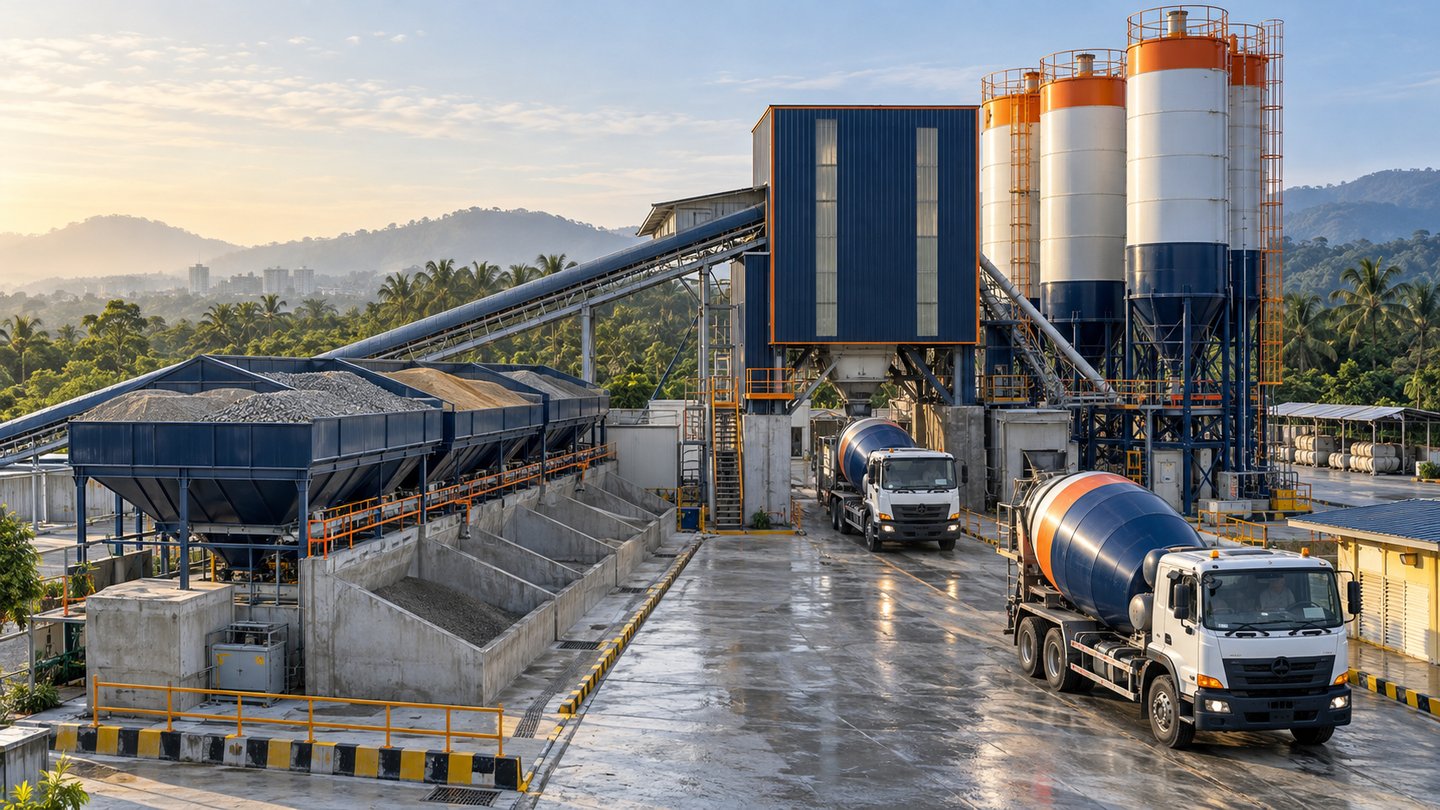
Help plant, processes and delivery consistently achieve the required result. Product quality and consistency are part of Operational Reliability.
- QSE RMX-OMS: connect Materials, Production, Plant, Fleet and Delivery through practical controls, responsibilities, records and performance reviews. Build on existing product and management-system arrangements.
- Quality and consistency: improve material acceptance, process controls, testing, traceability and response to nonconforming output with the client’s technical specialists.
- Plant and maintenance reliability: review recurring breakdowns, inspections, planned maintenance and production-maintenance coordination.
- Fleet and delivery dependability: strengthen vehicle readiness, production-dispatch coordination, site communication and contingency arrangements.
- Daily operating discipline: clarify standards, shift handovers, process ownership, internal audits and exception handling.
For quarry operators, a focused entry project may address conveyor belt selection, installation and maintenance, recurring interruptions or maintenance coordination. Specialist engineering is scoped with competent associates where required.
Continuous Improvement
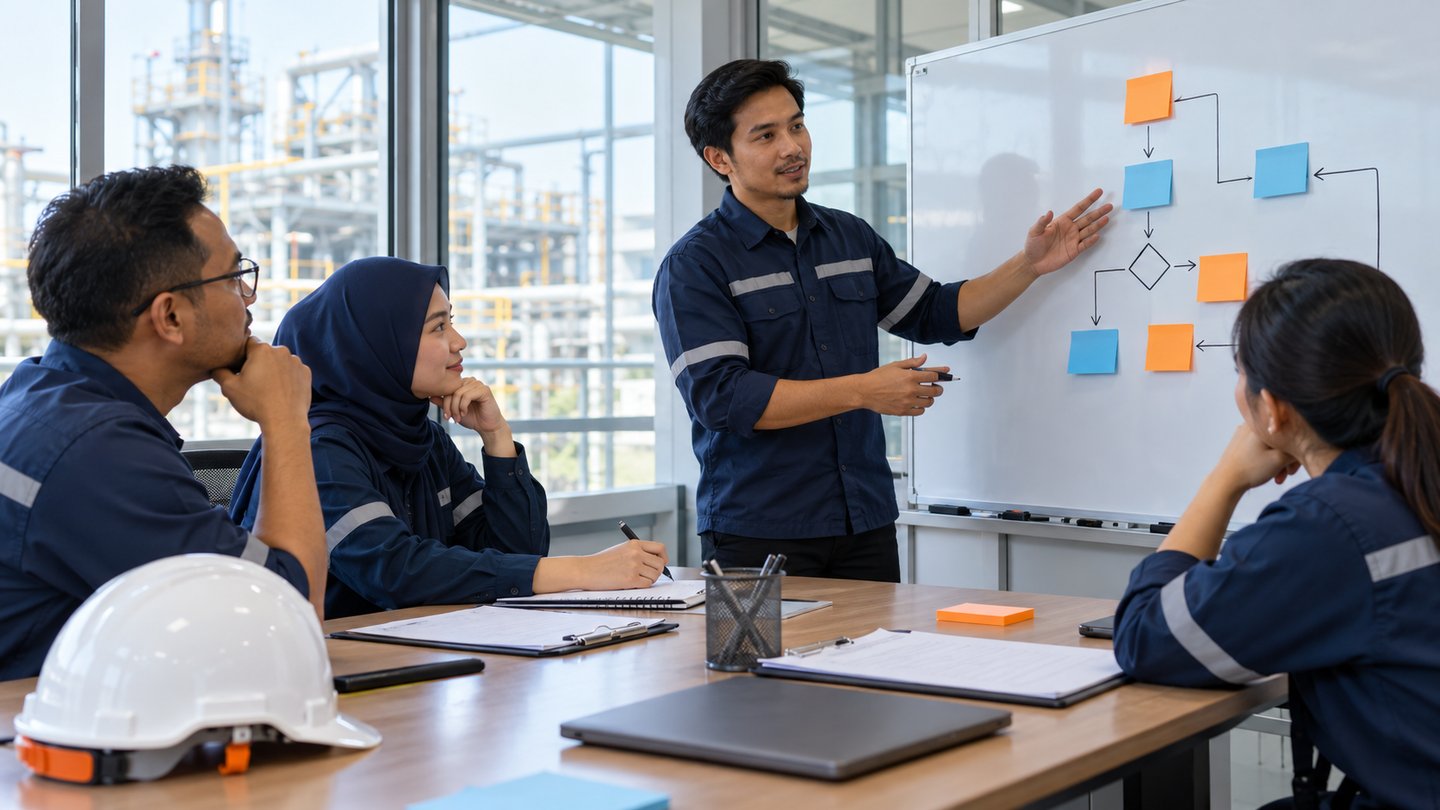
Reduce waste, solve recurring problems and improve the way resources are used.
- Process and workflow improvement: reduce waiting, duplicate records, unnecessary handling and rework.
- Structured problem solving: use root cause analysis, A3 or other suitable methods to test causes and verify solutions.
- Resource and cycle-time improvement: investigate material losses, returned concrete, fuel use, idling and truck waiting time.
- Team capability: combine practical workshops with workplace projects, coaching and simple daily improvement routines.
- Digital workflow simplification: streamline the process first, then use suitable forms, lists, approvals and dashboards.
Digital tools that support the work
Where useful, we configure Microsoft 365 tools such as SharePoint, Lists and Power Automate, with Power BI for performance visibility. We confirm licensing, access, data ownership and support before proposing a digital scope. AI assistance is considered where approved information, dependable data and human review support a useful application.
Start with one clear operating need
We agree the problem, intended outcome, scope and measures. A focused review or workshop can lead to implementation, workplace verification and continuing support. One engagement may connect all three pillars without creating parallel systems.
Our specialist industries are ready-mixed concrete and quarry operations. We provide focused services to manufacturing and logistics within our competence.